Anxiety disorders are one of the most prevalent forms of psychological problems that occur around the world, and they affect millions of individuals on an annual basis. They could manifest themselves in the form of consistent worrying, nervousness, panic attacks, insomnia, as well as physical signs, such as a fast heartbeat and trembling. According to their type, doctors suggest certain medicines to assist with their control.
There is a number of drug classes which are utilized to combat anxiety, and some of them include benzodiazepines, selective serotonin reuptake inhibitors, beta-blockers, and buspirone.
Diazepam and Other Benzodiazepines
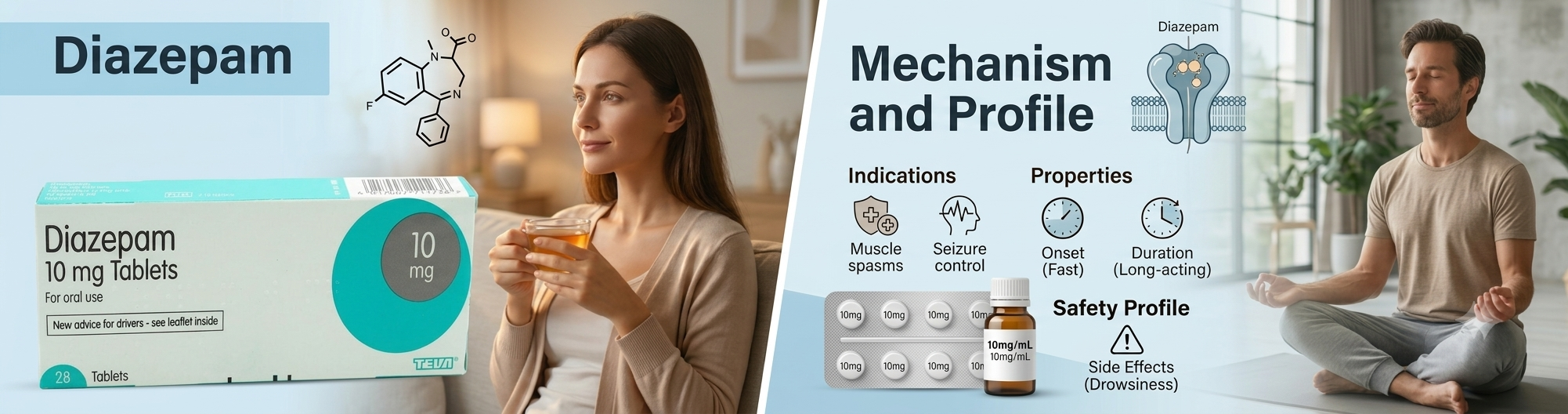
One of the most common benzodiazepines used in the treatment of anxiety disorder is diazepam. Diazepam is known to enhance the effect of GABA on the brain and nervous system to achieve its therapeutic effect.
As a fast-acting drug, diazepam can relieve acute anxiety symptoms, including those resulting from extreme anxiety or even panic attacks. Nonetheless, benzodiazepines should only be used for short durations because of the risks associated with their use, especially tolerance and dependency.
Common Side Effects
- Drowsiness
- Dizziness
- Fatigue
- Impaired coordination
- Memory difficulties
Selective Serotonin Reuptake Inhibitors (SSRIs)
These are usually the first line treatment options for chronic anxiety disorders. Some examples include sertraline and fluoxetine. The mode of action involves boosting serotonin levels because serotonin is a neurotransmitter associated with regulating emotions.
SSRIs, unlike diazepam, are not able to offer quick relief. It will take several weeks before the drugs show their effectiveness. On the other hand, the use of SSRIs is usually highly recommended when dealing with generalized anxiety disorder (GAD), panic disorder, and social anxiety disorder.
Common Side Effects
- Nausea
- Headache
- Sleep disturbances
- Increased sweating
- Reduced libido or sexual dysfunction
Even though SSRIs are non-addictive in nature, certain patients might have withdrawal symptoms when they stop taking this medicine. It is always advisable for patients to seek advice from their doctors before changing their drug dosage.
Beta-Blockers for Physical Symptoms of Anxiety
The class of drugs known as beta-blockers, which include propranolol, is mainly used in the treatment of cardiac disorders. Nevertheless, they can also be used in managing the physiological manifestations of anxiety.
This effect is achieved by inhibiting the effect of adrenaline in the adrenergic receptor sites, which results in decreased heart rate, tremors, sweating, and shakes.
The most useful application of beta-blockers would be in situational or performance-related anxiety, like public speaking or taking an exam.
Common Side Effects
- Fatigue
- Dizziness
- Cold hands and feet
- Reduced exercise tolerance
Buspirone
Buspirone belongs to the class of drugs known as anxiolytics and can be recommended as a replacement to benzodiazepines for individuals suffering from chronic anxiety disorders.
It is thought to influence the actions of serotonergic and dopaminergic receptors within the brain. Like the SSRI class of medications, it takes some time for the full effect of this medication to become evident, usually around several weeks.
The advantages of buspirone include the reduced possibility of developing dependency compared to benzodiazepines.
Common Side Effects
- Dizziness
- Headache
- Lightheadedness
- Nausea
Comparing Common Anxiety Medications
| Medication Type | Examples | Onset of Action | Typical Use | Dependence Risk |
|---|---|---|---|---|
| Benzodiazepines | Diazepam | Hours | Acute anxiety and panic symptoms | Higher |
| SSRIs | Sertraline, Fluoxetine | 2-6 weeks | Long-term anxiety management | Low |
| Beta-Blockers | Propranolol | 1-2 hours | Physical symptoms of anxiety | Very Low |
| Buspirone | Buspirone | 2-4 weeks | Chronic anxiety disorders | Low |
Choosing the Right Anxiety Treatment
Several criteria must be met in order to prescribe the right anti-anxiety drugs to the patient, including the severity of the condition, the patient’s medical background, the objectives of therapy, and response to it.
Some patients will need fast symptom relief, which is possible thanks to short-term intake of benzodiazepines, while other people may need lifelong therapy with SSRI or buspirone. The patients who suffer from physical manifestations of their condition may be offered beta-blockers.
Medication will be more effective if used along with some other methods like psychological counselling, stress reduction techniques, physical exercises, and so on.
When Should You See a Doctor?
If you have problems with anxiety that affect your daily activities, you should see a doctor and ask for his or her recommendations regarding treatment.
Dr Ritika Joshi
Medical Content Reviewer