Anxiety Treatments
Browse anxiety treatment options with secure ordering, confidential service, discreet UK delivery, and professional customer support.
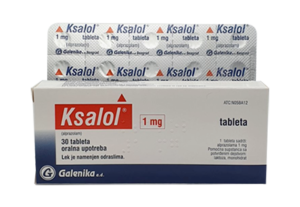
Alprazolam
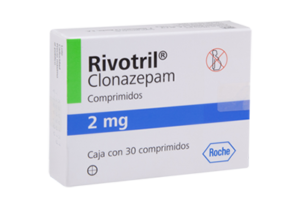
Clonazepam
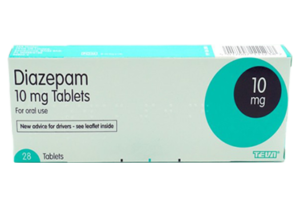
Diazepam
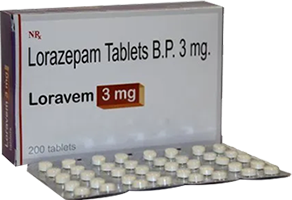
Lorazepam
Overview
Anxiety disorders are some of the most treatable psychological illnesses, with an array of effective methods for coping with them. The treatment itself usually varies from person to person, based on the kind of anxiety disorder in question, the severity of its symptoms, potential factors contributing to its onset and, of course, personal preference. Typically, anxiety disorders are treated via the combination of psychological therapy, various adjustments in one's lifestyle, and, where necessary, drugs.
The key idea behind the treatment of anxiety disorders lies in the alleviation of its symptoms, such as unceasing worries, restlessness and muscular tension, as well as in improving patients' quality of life as a whole. Most people who suffer from an anxiety disorder begin experiencing positive effects shortly after beginning therapy, which is supervised by a certified medical professional.
As already mentioned, treatment of an anxiety disorder should always be highly personalized since the method of treatment that works for one person might prove ineffective for someone else. In other words, evaluation and, possibly, adjustment of the treatment process are quite common.
Non-Medical Treatments
Non-medication treatments have been advised for the initial treatment of mild to moderate anxiety and can also be combined with medication when the symptoms are more pronounced. These treatment methods involve targeting the core causes of anxiety, as well as developing healthy coping mechanisms.
Cognitive Behavioral Therapy (CBT)
Cognitive behavioural therapy is among the most scientifically studied treatments used for treating anxiety disorders. CBT is a therapy method that is effective, especially because of its specific goal-orientated nature, which entails helping people identify their destructive thoughts and actions.
In CBT therapy, there is training in overcoming irrational fears and worries, changing perspectives about problems, and dealing with anxious situations in a safe manner. Thus, through CBT, patients can minimise their problem.
The number of sessions involved in CBT can vary, but it normally takes only a couple of weeks to see the first changes in patients' conditions.
Lifestyle Changes
Changes in lifestyle have a major role in anxiety management and overall mental well-being.
- Physical exercise: Regular exercise promotes the release of endorphins and improves mental state. Exercises such as walking, yoga, and weight lifting can be very effective.
- Nutrition: Healthy nutrition keeps the brain functioning properly and energised. Eating right and managing one’s glucose levels means not experiencing drastic fluctuations in mood.
- Quality Sleep: Ideally, a person should aim for a period between seven and nine hours of high-quality sleep on a daily basis. Insomnia will exacerbate symptoms of anxiety.
- Anxiety treatment techniques: Meditation, mindfulness, and other comparable practices can soothe the body and alleviate any negative feelings.
- Social interactions: Keeping connections with friends and relatives prevents feeling lonely and isolated and gives a sense of emotional security.
Such changes in one’s way of life may prove very useful despite being easy and obvious to implement.
Medical Treatments
When the anxiety is quite severe or it does not respond to therapeutic approaches alone, medical treatment might be recommended. In case you need any medications for your condition, they will be prescribed by a psychiatrist or physician who is qualified enough.
- Antidepressants (SSRIs, SNRIs): Selective Serotonin Reuptake Inhibitors (SSRIs) and Serotonin-Norepinephrine Reuptake Inhibitors (SNRIs) are frequently prescribed for anxiety conditions as a part of the medical treatment plan. These drugs help increase the level of some neurotransmitters in the human body, such as serotonin and norepinephrine. In comparison with other drugs that work fast, SSRIs and SNRIs usually require several weeks to demonstrate their efficacy. Nevertheless, they are safe and effective medications prescribed under strict control of a specialist.
- Benzodiazepines: Such fast-acting drugs as diazepam might be prescribed by a specialist to get immediate relief from your anxiety symptoms. Despite the quick effect that these drugs have on the patient, it is important to note that they are highly addictive, which is why they should not be consumed over a prolonged period of time.
How Medication Works
Anxiety disorders are mostly treated through the impact of medication on the chemistry of the brain.
For example, selective serotonin reuptake inhibitors and serotonin and norepinephrine reuptake inhibitors increase the concentration of serotonin and norepinephrine in the brain. This way, medications can control the mood and limit unnecessary worry and emotions. As a result of taking these medications, anxiety symptoms are significantly reduced over time. Moreover, benzodiazepines enhance the effect of gamma-aminobutyric acid, which calms down the brain activity. In such a way, the symptoms of anxiety disorder disappear fast in terms of nervousness, muscle tension, and panic attacks.
However, it should be mentioned that drugs only affect the surface of the problem and do not help patients cope with it. Therefore, when dealing with anxiety disorders, medication is accompanied by psychotherapy.
Risks and Considerations
Although the treatment of anxiety disorders is usually safe and efficient, there are several factors that should be considered carefully when choosing a particular therapy or medication.
- Side effects: The medications can have such side effects as nausea, dizziness, tiredness, or changes in sleep patterns. Although the side effects are usually transient, they still require the consultation of a medical professional.
- Dependence and tolerance: Some medications, especially those belonging to the benzodiazepine class, have potential for dependency when administered long-term.
- Individual variability: Every individual responds differently to treatment. You may require experimenting with several therapeutic approaches to find an appropriate one.
- Medication interactions: Different drugs, as well as some supplements and alcohol, can affect each other. Make sure that your physician knows about all the substances you take regularly.
- Consistency: If we talk about SSRI treatment, it requires adherence strictly to the schedule. Otherwise, the discontinuation of the therapy can result in adverse effects.
Regular visits to a physician will allow monitoring your condition.
Getting Treatment Safely Online
As a result of technological innovations in health care, anxiety treatment through online channels has gained prominence. The option allows one to consult a certified therapist or doctor through video calls without moving out of their home environment.
Advantages of online counselling include the following:
- Accessibility to registered experts
- Privacy and confidentiality of personal details
- Favorable time schedules for appointments
- Reduced cost of travel
Online therapy usually incorporates pre-planned sessions, chat rooms, and progress tracking tools. Analogously, virtual medical consultations will assist in the determination of whether medication is necessary and the proper prescription of the same.
Key recommendations for safety:
- Consult only registered doctors online
- Never try self-medicating
- Purchase drugs through authorized physicians
- Follow prescribed dosage
Although online treatments have proved effective for most people, there might be situations that call for physical consultations and urgent action.
Conclusion
Treatment of anxiety entails different scientific treatments that are meant to reduce the symptoms and make sure that the patient remains psychologically healthy. These include therapy, lifestyle modification, medication, and even online treatment. The most important thing is to start early, stick to the treatment course, and collaborate with an experienced specialist. It is absolutely possible to cope with anxiety and enjoy a well-rounded life with the appropriate treatment and dedication.
Medical Disclaimer
Information provided on this website is for educational purposes only and should not replace professional medical advice, diagnosis, or treatment. Always consult a qualified healthcare professional before starting or changing any treatment plan.