GPhC Registered
Trusted online pharmacy platform.
Fast Delivery
Quick & tracked UK shipping.
Discreet Packaging
Plain confidential packaging.
Secure Checkout
Protected encrypted payments.
Important Medical Information
This medication is a prescription-only medicine and may not be suitable for everyone. Always read the Patient Information Leaflet and consult a qualified healthcare professional before use.
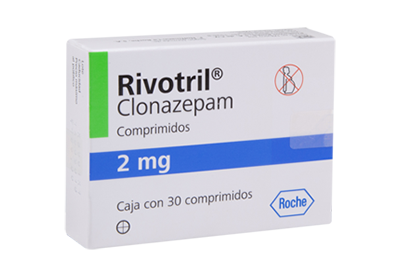
Clonazepam
Clonazepam is a pharmaceutical drug that belongs to a class of medications known as benzodiazepines, which have gained much popularity due to their anti-convulsive, anti-anxiety, and hypnotic characteristics.
Introduction
In many cases, it is recommended for controlling seizures as well as particular forms of anxiety disorders, including the so-called panic disorder. The prolonged impact that Clonazepam exerts allows for achieving stable therapeutic results for neurological and psychiatric purposes.
It should be noted that Clonazepam is a central nervous system depressant that acts by reducing hyperactivity in the brain. Consequently, it makes seizures less intense and frequent and reduces signs of anxiety. Taking into account the effectiveness of Clonazepam, it can be stated that it is often used for controlling the discussed conditions in specialized healthcare facilities.
Nevertheless, Clonazepam is considered to be a rather dangerous medicine since it has side effects associated with dependence, tolerance, and withdrawal symptoms. Thus, patients are recommended to use it responsibly to avoid complications and adverse consequences. Nonetheless, Clonazepam can help people who experience frequent seizures or suffer from severe anxiety disorders to enhance their wellbeing significantly.
Uses
Anxiety and Panic Disorders
Clonazepam is often prescribed for use in the management of patients suffering from different types of anxiety disorders, such as panic disorder. People who have panic disorders may have unexpected attacks involving extreme fear that results in some symptoms, which include fast heartbeat, perspiration, breathing difficulties, and lightheadedness. The medication works to prevent frequent attacks from happening.
In addition, Clonazepam can also be prescribed to patients with other kinds of anxiety disorders that are difficult to treat because the drugs’ effects last longer than those of shorter-acting benzodiazepines. Such anxiety disorders include generalized anxiety and social anxiety in situations where patients have been unresponsive to initial treatment approaches.
Seizure Disorders
Among the major applications of Clonazepam in the management of health problems, there is the use of this drug in addressing epilepsy or other seizure disorders. It works as an anticonvulsant medication, which makes it possible to manage different kinds of seizures. They include absence seizures, myoclonic seizures, and generalized tonic-clonic seizures.
How It Works
Clonazepam acts by increasing the efficiency of the inhibiting neurotransmitter known as gamma-amino butyric acid (GABA). GABA plays a vital part in maintaining equilibrium in the brain by decreasing neuronal excitability and ensuring the inhibition of nerve cell transmissions. By regulating the brain activity through GABA, Clonazepam helps avoid the overstimulation of the brain, thus avoiding anxiety and epilepsy.
Clonazepam achieves this feat by binding to certain receptors in the brain, namely, the benzodiazepine receptors. By acting on the benzodiazepine receptor sites, Clonazepam helps вышылть the inhibitory effect of GABA in the brain and, as a consequence, provides a calming effect and inhibits the abnormal electrical activity in the brain. The drug acts, therefore, by reducing anxiety, seizures, and other similar symptoms.
Another important characteristic of the drug is its comparatively long duration of action due to the prolonged half-life of Clonazepam. Thus, the action of Clonazepam in the body persists for some time after taking the medication. This property of the drug makes Clonazepam particularly valuable in treating such disorders as epilepsy or severe forms of anxiety and panic attacks.
Dosage Overview
The dosage of Clonazepam depends on various factors, including the disease to be treated, the patient’s age, general health state, and personal reactions to Clonazepam administration. It can be obtained in tablets and orally disintegrating tablets.
In case of panic disorder, an initial dose of 0.25 mg, which is twice daily, may be recommended. Depending on the effect achieved, this dose might be increased further according to the doctor’s recommendations. Dose increases should be conducted slowly to minimize risks of side effects. In case of seizure disorders, treatment might involve higher doses depending on individual characteristics and results obtained.
A healthcare professional tends to choose the minimal effective dose to be prescribed to patients. This strategy helps to avoid numerous side effects, tolerance to Clonazepam, and dependence. It is very important to visit a physician regularly, especially during the first months of Clonazepam intake or in case of dose adjustment.
It is important to take into account that it is forbidden to stop taking Clonazepam suddenly if it was taken for some period of time. Otherwise, the patient will experience anxiety, agitation, insomnia, and even seizures. Therefore, it is necessary to taper off Clonazepam slowly.
Side Effects
Some possible side effects of Clonazepam may include the following:
- Sleepiness or sedation
- Dizziness
- Tiredness
- Poor coordination
- Trouble with memory and concentration
These side effects usually depend on the dosage of the drug and could disappear after some time. Some other more serious side effects may also develop, such as:
- Very strong sleepiness or confusion
- Depression or irritability
- Trouble breathing
In some instances, paradoxical effects such as heightened levels of anxiety or restlessness might be experienced, but this is quite uncommon.
Long-term use of Clonazepam increases the risk of tolerance and dependence. Over time, patients using Clonazepam might require larger dosages of the drug to produce the same effect. This might lead to misuse if not monitored adequately.
Safety Considerations
Risk of Dependence and Withdrawal
Clonazepam presents a high risk of dependency, especially when administered for long durations. Sudden cessation of the drug may result in withdrawal symptoms, including anxiety, insomnia, tremor, and seizures.
Drug Interactions
The drug is known to have adverse effects on certain patients when combined with alcohol, opioids, and sedatives. The patient is likely to become excessively drowsy, and the rate of respiration is reduced. There is an increased risk of respiratory failure. It is important to use Clonazepam as instructed by the physician to avoid the adverse effects caused by interactions with other substances.
Special Populations
- The elderly: Older people are more sensitive to the sedative effects of Clonazepam. The increased risk of injury, confusion, and drowsiness poses a threat to their health and well-being. Cognitive impairment and slow reactions can make it hard for older people to function normally.
- Pregnant and breastfeeding women: Clonazepam must be used cautiously because it might interfere with fetal development or harm the nursing baby. The patient should seek medical advice before taking the drug.
- Individuals with impaired liver or kidney function: The drug must be administered carefully to avoid side effects because patients with organ damage require lower doses.
Impairment of Cognitive and Motor Skills
Clonazepam can impair judgement, coordination, and reaction times. The patient must avoid engaging in activities that require quick thinking and reactions, including operating vehicles and machinery, until they know how the drug makes them feel.
Comparison with Other Medications
Clonazepam is often compared with other benzodiazepines such as Lorazepam and Alprazolam, as well as certain anticonvulsant medications.
Clonazepam vs. Lorazepam
Lorazepam has an intermediate duration of action and is commonly used for acute anxiety or sedation. Clonazepam, with its longer half-life, provides more sustained symptom control, making it suitable for chronic conditions like seizure disorders or persistent panic disorder.
Clonazepam vs. Alprazolam
Alprazolam is characterized by quick onset but might necessitate higher frequency administration due to its short duration of action. On the other hand, Clonazepam exhibits a prolonged duration of action that may minimize the requirement for repeated administrations in a day.
Clonazepam and Other Antiepileptic Drugs
As opposed to other anticonvulsants, Clonazepam acts as an add-on medication, not the primary therapeutic approach. Although it is efficacious in the regulation of seizures, its possible dependency might restrict the duration of the treatment. Some other antiepileptics may serve better than Clonazepam in the chronic phase.
Several considerations influence the prescription of a specific drug, and among them include the type and severity of the disorder, medical history, and objectives of the treatment process.
Consultation
Clonazepam is a very effective drug that can help deal with not only seizures but also anxiety if properly used. However, because of certain risks involved in taking the medication, such as the danger of becoming dependent on Clonazepam, going through withdrawal syndrome, and having some side effects in combination with other substances, the drug should be taken after consulting with the doctor only.
If you are suffering from seizures, panic disorder, or anxiety disorder, it is recommended that you consult with the physician and receive appropriate treatment. In this way, you will have a chance of being properly examined and receiving suitable medications and recommendations for their taking.
It is strictly advised not to self-medicate by using Clonazepam without a prescription or buying the drug from untrustworthy sources. Such an approach may bring harm to one’s health.
Therefore, patients who use Clonazepam are to follow certain guidelines in order to get better results of therapy.
Disclaimer:
The data contained herein is exclusively intended for academic use only and must not be applied for any medical purposes. Clonazepam is a POM medicine in the UK and can only be used under prescription from a licensed healthcare provider.
Dr Ritika Joshi
Medical Content Reviewer