GPhC Registered
Trusted online pharmacy platform.
Fast Delivery
Quick & tracked UK shipping.
Discreet Packaging
Plain confidential packaging.
Secure Checkout
Protected encrypted payments.
Important Medical Information
This medication is a prescription-only medicine and may not be suitable for everyone. Always read the Patient Information Leaflet and consult a qualified healthcare professional before use.
Diazepam
Diazepam is a commonly prescribed medicine in the UK, known for its calming and muscle-relaxing qualities. It is a benzodiazepine, a type of medication that acts on the central nervous system to lower excess brain activity.
Introduction
Diazepam relieves seizures, muscle spasms, and twitches. It is also used to relieve anxiety, particularly prior to a treatment. It can help to alleviate the symptoms of alcohol withdrawal. It works by helping your nervous system relax. It belongs to a class of drugs known as benzodiazepines.
Diazepam can only be obtained with a prescription in the United Kingdom (UK). This implies it must be prescribed by a licensed healthcare provider after a clinical evaluation. The goal is to ensure that treatment is appropriate, safe, and personalised to the patient’s specific medical needs.
They want to know if you have any of the following conditions:
- Glaucoma
- Kidney disease
- Liver disease.
- Asthma and COPD are examples of lung or breathing disorders.
- Mental health problems
- Myasthenia gravis
- Sleep apnea
- Substance use disorder.
- Suicidal thoughts, plans, or attempts by you or a family member.
- An unexpected or allergic reaction to diazepam, other medications, foods, dyes, or preservatives
- Pregnant or trying to conceive
- Breastfeeding
Common uses of Diazepam are given as follows:
- Anxiety disorders management
- Relief of acute muscle spasms
- In the treatment of alcohol withdrawal symptoms
- Severe agitation or distress (short-term management)
How Diazepam Works
A benzodiazepine is diazepam. It works by making a chemical messenger (GABA) operate harder, which stops the brain’s nerve cells from acting in strange and too many ways.
Diazepam makes both the mind and body feel calm by making GABA work better. This makes people feel less anxious, relaxes their muscles, and has a calming impact when needed.
This process is why Diazepam works for a number of disorders when the nervous system is too active. But its effect on the brain is also why proper prescribing and monitoring are so important.
Conditions Treated
Diazepam is administered for a variety of clinically acknowledged illnesses, based on the patient’s symptoms and medical history.
- Anxiety disorders: Diazepam is most commonly used for short-term anxiety control. It may be administered if the symptoms are severe, acute, or significantly impair daily functioning. Diazepam relieves excessive concern, restlessness, and bodily symptoms like tension or rapid heartbeat.
- Muscle spasms: People also use diazepam to treat muscle spasms that happen because of an injury, a neurological disorder, or inflammation. It works by relaxing tight muscles and relieving pain, which improves mobility and quality of life.
- Alcohol withdrawal: Diazepam can be used to treat withdrawal symptoms in situations of alcohol dependence. These symptoms can include shaking, agitation, and, in severe cases, seizures. In these situations, medical monitoring is necessary to ensure safe and effective treatment.
Diazepam’s suitability for each of these situations must be determined on an individual level. Every treatment decision is made based on medical guidelines and patient-specific information.
Dosage Overview
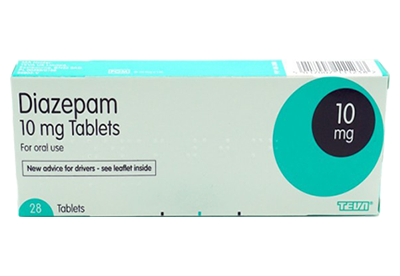
Take this medicine by mouth. Take exactly as recommended on the prescription label. You may take it with or without food. If it bothers your stomach, take it with meals. Do not take it more frequently than prescribed. Diazepam 10 mg, 2 mg, and 5 mg tablets are common strengths; larger doses are usually saved for particular clinical circumstances. Continue taking it until your care team tells you to stop. The medical professional will provide you with a prescription as per the regulatory guideline along with each prescription and refill. Make sure to read this material thoroughly each time.
- Consult your care provider about the use of this drug in children. Special care may be required.
- People 65 and older may have a higher reaction and require a lower dose.
- If you believe you have taken too much of this medication, contact a poison control center or an emergency room immediately.
- Take your dose as soon as you can if you forget. Only take your next dose if it is almost time for it. Don’t take two or more doses.
Important dosage factors include:
- Taking the medication as directed by the medical professional
- Preventing sudden cessation without direction
- Modifications for patients who are elderly or have underlying medical conditions
Side Effects Overview
Like any kind of medication, diazepam can have adverse effects, but not everyone will have them. Most of the negative effects have to do with how it calms the neurological system. Tell your care team about any side effects you have as soon as possible:
- Allergic reactions: skin rash, itching, hives, swelling of the face, lips, tongue, or throat.
- CNS depression: slow or shallow breathing, shortness of breath, feeling faint, dizziness, confusion, difficulty staying awake.
- Suicidal or self-harming thoughts, worsening mood, depressive feelings
The following side effects typically don’t require medical attention; however, if they continue or become bothersome, let your care team know:
- Dizziness
- Drowsiness
- Headache
This list might not cover every potential adverse effect. If you have side effects, talk to your doctor about them. You can tell the digital healthcare services about side effects by calling their emergency number.
Safety & Warnings
It’s very important that your doctor checks on you or your child’s progress at each visit to make sure the medicine is working. You may need to have blood tests to look for any side effects.
If you are pregnant or planning to get pregnant, let your doctor know. If you take this medicine later in your pregnancy, it could cause problems in your newborn baby, like sedation or withdrawal symptoms. If your baby has trouble sleeping; diarrhoea; feeding; a high-pitched cry; irritability; low muscle tone; restlessness; shakiness or tremors; sluggishness; trouble breathing; weight loss; or vomiting, or doesn’t gain weight, call your doctor right away. Let your doctor know right away if you think you might be pregnant while taking the medicine.
When taken with opioid painkillers, this medicine may make breathing harder, which can be very dangerous. If your lips, fingernails, or skin are pale or blue, or if you have trouble breathing, or if your breathing is irregular, fast, slow, or shallow, call your doctor right away.
Some people, especially older people, may feel sleepy, dizzy, lightheaded, clumsy, unsteady, or less alert than usual when they take this medicine. This medicine can also make your vision blurry or cause other problems with your eyes. Don’t drive or do anything else that could be dangerous until you know how this medicine will affect you.
This drug will make alcohol and other central nervous system (CNS) depressants work better. Some CNS depressants are antihistamines (for hay fever, allergies, or colds); sedatives, tranquillizers, or sleeping pills; prescription painkillers or narcotics; barbiturates (for seizures); muscle relaxants; or anaesthetics (numbing medicines), which can include some dental anaesthetics. This effect could last for a few days after you or your child stops taking this medicine. Before you or your child takes any of the above while taking this medicine, talk to your doctor.
Talk to your medical professional right away if you or your child starts to have strange or unusual thoughts or behaviour while taking diazepam. Some changes could be confusion, worsening depression, hallucinations (seeing, hearing, or feeling things that aren’t there), thoughts of suicide, or unusual excitement, nervousness, or irritability.
If you notice any changes in your vision during or after treatment, like blurry vision or trouble reading, call your doctor right away. An eye doctor (ophthalmologist) may need to look at your eyes.
Before you change or stop taking this medicine, talk to your medical professional first. Before you or your child stops completely, your medical professional may want you to carefully cut back on how much you use. This could help protect your disease from getting worse and minimise the possibility of withdrawal symptoms including hallucinations, seizures, stomach or muscle cramps, sweating, tremors, or unusual conduct.
Alternatives to Diazepam
Alternative treatments may be considered based on the patient’s condition and needs. These may include:
Non-medicinal approaches:
- Cognitive behavioural therapy (CBT).
- Stress-management techniques.
- Physical therapy for muscle problems.
Alternative Medications:
Other medications may be recommended depending on the illness, especially for long-term management in which Diazepam may not be appropriate. Treatment options are determined by a variety of factors, including symptom intensity, medical history, and patient preferences. A healthcare professional can help you choose the best option.
How to Access Diazepam Safely
Diazepam must be accessed safely through an organised and regulated process. Patients should avoid unverified sources and only receive medication from a legitimate healthcare provider. The safe access includes:
- Having a medical consultation
- Receiving a professional medical evaluation
- Obtaining a valid prescription
- Using a regulated pharmacy for dispensing
Online consultation services make it easy to get care while keeping an eye on your health. Patients can safely send their health information to these platforms and get advice from certified medical professionals. If approved, prescriptions are given out carefully, with patient safety always coming first.
Disclaimer:
This content is provided for informational purposes only and does not constitute medical advice. Diazepam is a prescription-only medicine (POM) in the UK and should only be used under the guidance and supervision of a qualified healthcare professional.
Dr Ritika Joshi
Medical Content Reviewer